

How to count inventory by case, pack and individual unit
Pick the unit for each item before counting. If you count bottles, two sealed cases of 12 plus three loose bottles give you 27 bottles. Count the actual contents of opened cartons and record separately sold multipacks on their own row.
Compare barcodes, SKUs and GTINsBy Neil Singh
Make the count unit explicit
- Record the unit in which you maintain the item, such as one bottle or one retail multipack. Write the verified quantity in the supplier case next to it and check that the label describes the same item and pack size.
- Multiply intact sealed cases by that quantity. Count loose items and items in opened cases individually. Mark each group as counted before moving on.
- A case, a multipack that is sold as one item and an individual package can have different GTINs under GS1 packaging rules. Confirm which code belongs to the item you are recording, especially when the outer and inner packages look similar.

Two sealed cases, then an opened one
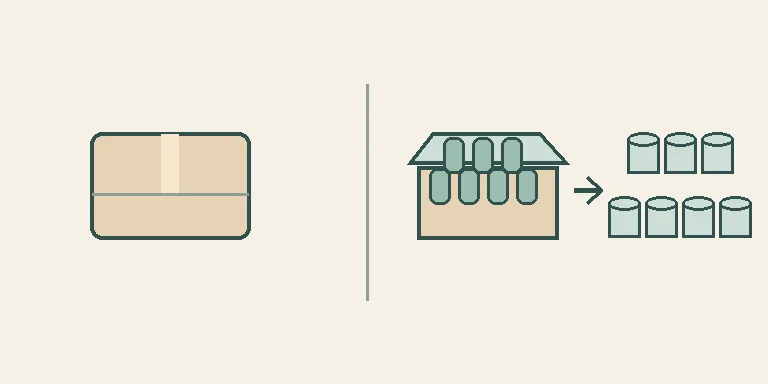
For one bottled drink, 2 × 12 + 3 = 27. If the second case is open and has 7 bottles, the count becomes 12 + 7 + 3 = 22. Put both totals in the same count unit for that SKU.
An unopened six-pack sold as a single item goes on a different SKU row. One intact six-pack is one pack in that row. If you intentionally break a pack into singles, record the change once and remove that pack from the pack count.
| Item | Count unit | Supplier unit | Barcode to use |
|---|---|---|---|
| Single drink | 1 bottle | Case of 12 | Bottle code for the bottle row |
| Open drink case | Each bottle present | Case of 12 | Bottle code for bottles counted |
| Retail six-pack | 1 pack | Case of packs | Code on the retail pack |
Mistake to avoid
If you recorded a sealed case as 12 bottles, skip its contents on the loose-unit pass. Never apply a case multiplier to a carton you found open.
Make a shelf reference card
Before counting
Write item and SKU, count unit, supplier unit, verified case quantity and the barcode for the count unit. Note where open cases sit.
Before ordering
Convert the shortage from the count unit into the supplier unit. If the supplier ships only full cases, review the rounded order and write the unit explicitly on it.